Changing bag-forming sizes on a flow wrapper is not simply a matter of installing a wider or narrower forming box. It affects film tracking, product spacing, sealing pressure, cutting timing, and overall package appearance. The right adjustment can reduce wrinkles and product damage. A careless change can create film waste within minutes.
“Size changes should be measured at the machine, not guessed from the finished bag,” says Martin Keller, a senior flow-wrapping engineer with more than two decades of packaging-line experience. His advice reflects a practical truth: operators must compare the product width, film width, forming-box dimensions, and seal allowances before making adjustments. Small differences matter.
This guide explains how to change bag forming sizes on flow wrappers with a controlled, repeatable approach. It covers forming-box selection, film alignment, guide-rail adjustment, sealing-jaw timing, and trial-run inspection. Operators should isolate the machine according to site procedures before changing tooling. They should also check whether the forming shoulder matches the film material and product shape.
The process is rarely perfect.
A package may look acceptable while hiding weak seals or uneven tension. That is why measurements should be recorded before and after each change. Operators can then identify which adjustment caused improvement or failure. This creates useful production knowledge instead of relying on memory. It also helps maintenance teams repeat successful settings during future product changeovers.
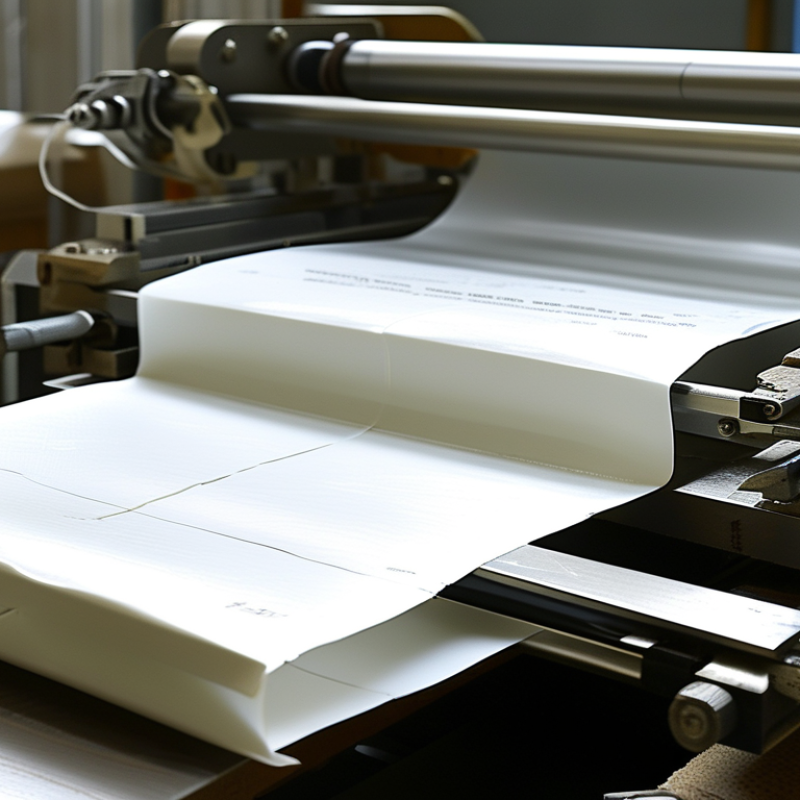
Why Change Bag Forming Sizes on Flow Wrappers?
What Bag Forming Size Means in Flow Wrapping
Bag forming size describes the space shaped around a product as film passes through the forming box. It influences the finished bag’s width, height, seal position, and overall fit. A small size change can affect film tension and product movement. It may also change sealing pressure, wrinkle formation, and cutting accuracy.
In practical production, the correct forming size should match the product’s real dimensions, not only its specification sheet. Products can vary after cooling, filling, or handling. I have seen a few extra millimeters create loose end seals and unstable packages. A tighter setting may improve appearance, but it can also increase scuffing or product damage. This is where experience matters. Operators should check samples at normal speed, then inspect seals, film tracking, and package spacing. One trial is rarely enough. I sometimes underestimate product variation, so recorded measurements deserve more trust than memory.
Tips: Measure product length, width, and height at several points. Adjust forming size gradually. Check ten to twenty packages before approving the setting. Watch the film shoulder, seal overlap, and end-seal position. Keep notes for each product size, but review them when materials or temperatures change. Small changes can behave differently than expected.
Bag forming size is the machine setting that defines the nominal width of the finished package. The reference values below show how a larger forming size generally requires a wider film web. Film width is calculated as: 2 × bag width + 2 × product height + 20 mm sealing allowance.
Changing the forming size may be necessary when product dimensions, package width, sealing space, or film specifications change. Actual results depend on product shape, film properties, machine tolerances, and seal settings.
Changing forming sizes on a flow wrapper starts with the product, not the machine setting. Its length, width, and height define the usable bag space. A 120 mm snack bar needs enough longitudinal room for both end seals. Its 70 mm width and 30 mm height also affect the film path and cross-seal alignment. Small changes matter. A thicker product can increase film demand quickly.
During production trials, I measure ten products, not one. This exposes variation from filling, stacking, or cooling. The target bag length usually combines product length, clearance, and two end-seal allowances. Bag circumference must cover the product’s width and height, with overlap for the fin seal. Exact allowances depend on film stiffness, seal jaws, and machine geometry. Never copy a size from a similar product blindly.
If clearance is too tight, corners wrinkle, seals may touch the product, and feeding becomes unstable. If it is too generous, film waste rises and the package looks loose. Operators should check the largest expected product, not only nominal dimensions. I once treated a measured width as stable. Cooling shrinkage and uneven loading proved otherwise. That mistake was preventable. Record trial settings, seal temperatures, speed, and rejection causes. Then adjust forming shoulders in small increments while confirming seal strength and appearance.
Changing bag-forming sizes on a flow wrapper is not just a mechanical adjustment. Film width determines how much material reaches the forming box. Sealing conditions decide whether the package closes cleanly. In production, narrow film can pull tightly around the product. Wider film may create loose shoulders, wrinkled edges, or unstable seals. Small differences matter.
When the bag size changes, operators should check film tracking, forming-collar position, and product spacing. The film must sit evenly around the product before the longitudinal seal is made. Sealing temperature, pressure, and dwell time may need adjustment. Thicker film structures often require more heat or time. Excessive heat can distort the film. Too little heat can leave channels that admit air or moisture. A practical check is a seal test after the machine reaches operating temperature. Inspect the seal under light and pull it by hand. This is simple, but not enough alone. Measurements should confirm the result.
Speed changes often expose weak settings. A seal that looks acceptable at low speed may fail when output increases. Film tension also deserves attention. Uneven tension can shift print, wrinkle corners, and change seal width. Record settings, product dimensions, film structure, and test results for each format. Do not copy values blindly. Real conditions vary. Even experienced teams can miss a small temperature drift during a long run.
A flow wrapper should not keep one forming size forever. The correct size changes with the product, film, and production target. Change it when the pack leaves excessive empty space around the item. That space can cause film waste, weak seals, and unstable packs. A tight fit matters too. If the product presses against the film, corners may crease or seals may distort. In daily trials, small width changes often improve pack appearance more than higher machine speed.
Consider a new forming size after changing product dimensions, film thickness, or seal requirements. A taller product may need more clearance through the forming box. A softer product may need gentler control to prevent compression. Review the pack after temperature, speed, and tension reach normal settings. Measure film usage, seal width, leakage results, and product movement. Do not judge only by appearance. A neat package can still fail a drop test. Good technicians record three or more runs before making a decision. One trial is not evidence.
Real production is less predictable than a setup sheet suggests. Products vary slightly, and film can behave differently during humid shifts. We sometimes adjust forming sizes too quickly. That can hide problems caused by poor alignment or incorrect temperature. A slower review is wiser. Compare the smallest workable size with a safer clearance. Keep samples from both settings, including failures. Record the forming size beside each sample for later checks.
Proper bag forming size directly affects flow-wrapper efficiency and package quality. A former that matches the product width creates cleaner film tracking and more stable sealing. Operators often notice this first at the end seals: fewer wrinkles, less trapped air, and more consistent seal pressure. The OEE Foundation identifies 85% as a world-class overall equipment effectiveness benchmark, but poor sizing can reduce availability and quality losses before speed becomes the obvious problem.
Industry data supports this concern. PMMI’s 2024 State of the Industry report highlights equipment flexibility, labor efficiency, and reliable production as major packaging priorities. Changing forming dimensions helps one machine handle different product sizes with fewer adjustments. Correct sizing also reduces unnecessary film consumption. According to the U.S. Environmental Protection Agency, packaging remains a significant part of municipal solid waste, making material control increasingly important for manufacturers.
The details matter. A bag that is too tight may stress seals or distort fragile products. A bag that is too wide can create excess film, loose presentation, and unstable stacking. During trials, measure product height, film overlap, seal width, and end-seal compression. Then verify performance at normal line speed, not only during a slow test. That is where weak settings appear. Some teams change the former but overlook film thickness or product temperature. That mistake is easy to repeat. Reliable results require documented settings, visual checks, and periodic review of rejected packages.
: It describes the space formed around a product as film passes through the forming box. It affects bag width, height, seal position, and product fit. Small changes can alter film tension and package spacing.
Measure product length, width, and height at several points. Bag length needs product length, clearance, and two end-seal allowances. Bag circumference must cover product width, height, and fin-seal overlap. Use the largest expected product.
Extra clearance may create loose end seals and unstable packages. Too little space can wrinkle corners or touch the product with hot seals. Small changes behave differently than expected. Check real samples.
Measure at least ten products during a production trial. This reveals variation from filling, stacking, cooling, or handling. Measuring one product can create false confidence. I have underestimated product variation before.
The film may pull sharply around the product. Corners can wrinkle, and feeding may become unstable. Seals might contact the product. Appearance improves sometimes, but damage risk rises.
The package may look loose and use unnecessary film. Shoulder areas can wrinkle or move unevenly. Product spacing may also become inconsistent. Waste increases.
Check film tracking, the forming shoulder, seal overlap, and end-seal position. Inspect ten to twenty packages at normal speed. Test seal strength and package appearance. One trial is rarely enough.
They may need adjustment. Film thickness, temperature, pressure, dwell time, and machine speed all affect sealing. Excessive heat can distort film. Insufficient heat can leave channels. A seal can look acceptable at low speed, then fail later.
Changing bag forming sizes on flow wrappers is essential for matching the package to the product. Bag forming size refers to the dimensions created by the forming box and related machine settings, including the bag’s width, height, and available sealing space. Product length, width, height, shape, and surface characteristics determine the required bag size. A package that is too tight may cause product damage, weak seals, or film stress, while excessive space can create poor presentation, unnecessary material use, and unstable handling.
Understanding how to change bag forming sizes on flow wrappers helps operators maintain consistent packaging performance when product specifications change. Adjustments may include selecting a suitable forming set, changing film width, repositioning guides, and fine-tuning sealing temperature, pressure, and timing. Proper sizing improves product protection, seal reliability, machine efficiency, and overall package appearance. It can also reduce film waste, minimize stoppages, and support smoother production when switching between different product formats.

Collins Machine